
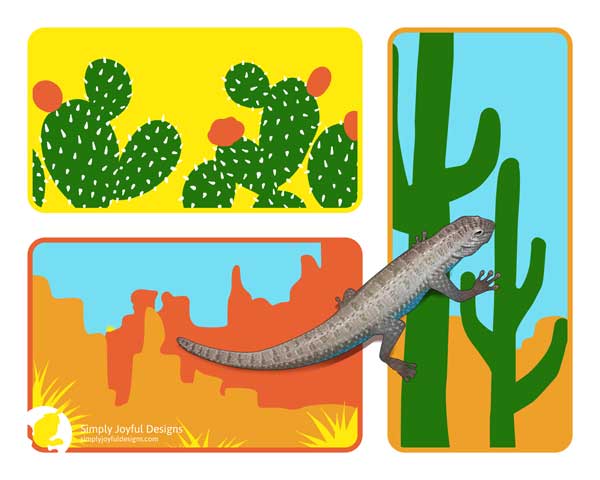
The first time I moved to California I was living in Riverside, in the desert just outside of L.A. It was during a bad drought and it only rained twice during the whole year I was there. It was 95 degrees Fahrenheit on Christmas Day. But with no moisture in the air it felt less warm and more dry. Walking outside, I felt all the moisture in my skin being sucked out instantly. I barely ever drank water and had to opt for sugary mixes like lemonade to avoid losing too many electrolytes.
Still, the desert was beautiful in ways that pictures simply can’t describe. Without the water in the air there was no atmospheric perspective, meaning things in the distance looked exactly the same as things up close. I couldn’t tell if a rock formation was a tiny nearby hill or a distant mountain. With no tree canopy above us, the sky seemed to stretch forever in every direction, vast blue with hardly a cloud in sight. It felt like I could fall upward and float into the expanse.
The relentless sun beat down on my warm skin and reflected off of the cracked dirt and rocks, showing their vibrant colors. It was like an alien planet, full of red and orange rocky sculptures which had stood there for millions of years. The southern California desert used to be an ocean before it dried up, and the canyons look like they could be underwater. Few plants can survive out there, so it’s mostly strangely shaped cactuses and scraggly little patches of grass which yellowed in the sun.
At night you can hear coyotes eerily howl in the distance, and in the daytime a scarce few garden rabbits hop around looking for food. But everyone in California is familiar with this one type of lizard. It’s called a Western Fence Lizard, and these little guys are everywhere. Their unique grey patterned scales glisten in the sun as they dart from place to place looking for bugs to eat.
One time I walked outside and accidentally stepped on one, and it quickly detached its tail and ran away. But don’t worry; they can grow it back in a few weeks. As a survival mechanism, they learned to throw their tail at predators in order to give them a little snack without getting completely eaten. A select few of these fence lizards have an otherworldly blue glow to the bottom of their scales. Sometimes if you pay close attention you can see it reflecting off of stones in people’s garden paths while they bask in the sun.
Leave a Reply